D&D 5e rules reference
D&D 5e species
The peoples of the System Reference Document, from dragonborn to tieflings, in the 2024 and the 2014 rules.
Your character’s species (called race in the 2014 rules) is the people they were born into. It sets your size and speed and gives a handful of special traits: darkvision, a breath weapon, an elf’s trance, a halfling’s luck. In the 2024 rules a species no longer raises your ability scores (your background does that), so you can pick any species for any class without falling behind.
The System Reference Document 5.2.1 describes nine species for the 2024 rules. SRD 5.1, for the 2014 rules, describes nine races, including the half-elf and the half-orc, which the 2024 rules dropped. Each page below covers the 2024 version first, then the 2014 one, with tips on playing the species and on choosing a name.
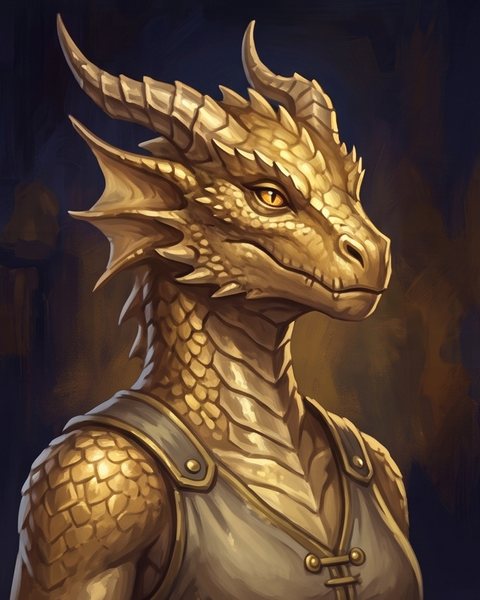 Dragonborn2024 and 2014 rulesProud draconic folk whose ancestry sets the element of their breath and, in time, grants them spectral wings.
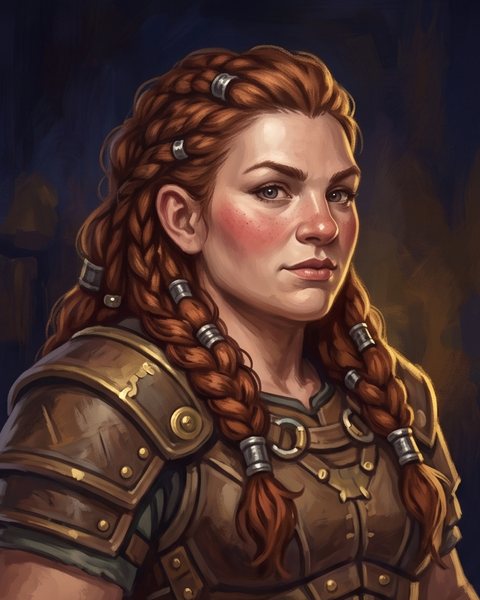 Dwarf2024 and 2014 rulesStout, long-lived folk of earth and forge, famed for their endurance and an instinctive bond with stone.
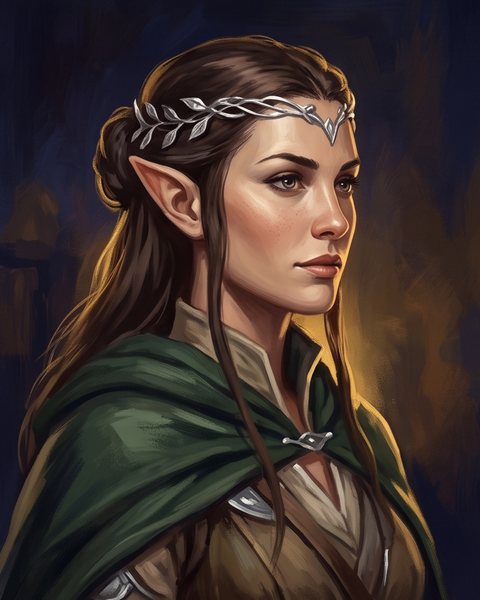 Elf2024 and 2014 rulesGraceful, long-lived people of fey origin who trance instead of sleeping and wield magic born of their lineage.
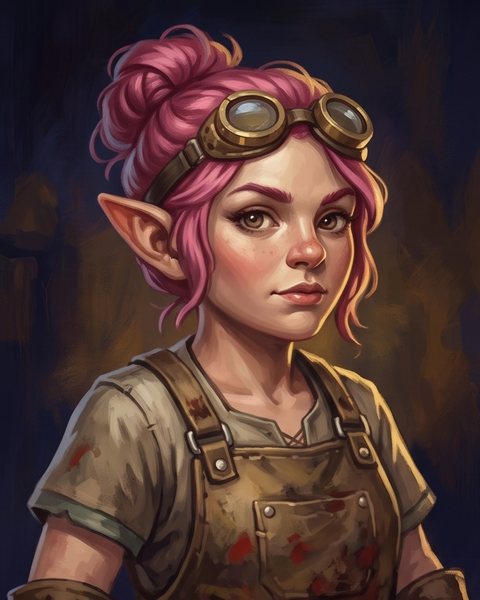 Gnome2024 and 2014 rulesSmall, endlessly curious folk with a sharp mind and a magical knack for illusion or tinkering.
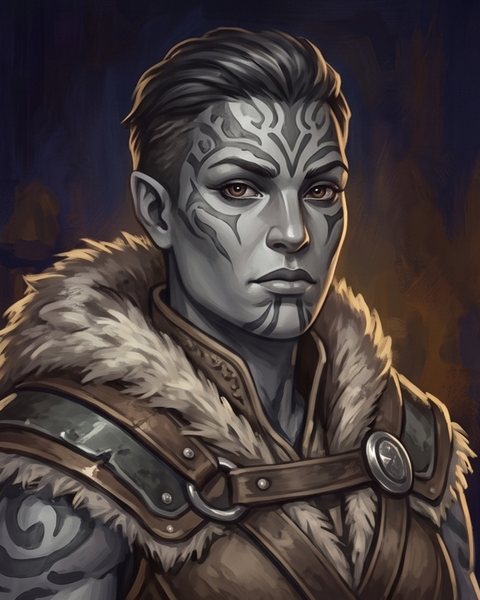 Goliath2024 rulesTowering descendants of giants who channel a sliver of their forebears' elemental might.
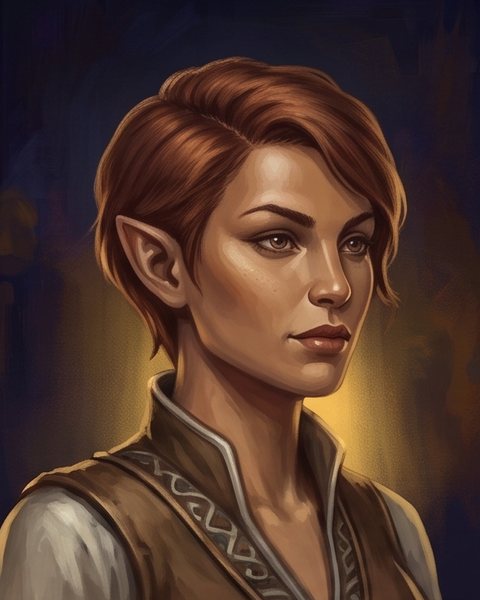 Half-Elf2014 rules onlyHeirs to both human and elven blood, half-elves pair elven grace with human drive and feel at home among many peoples.
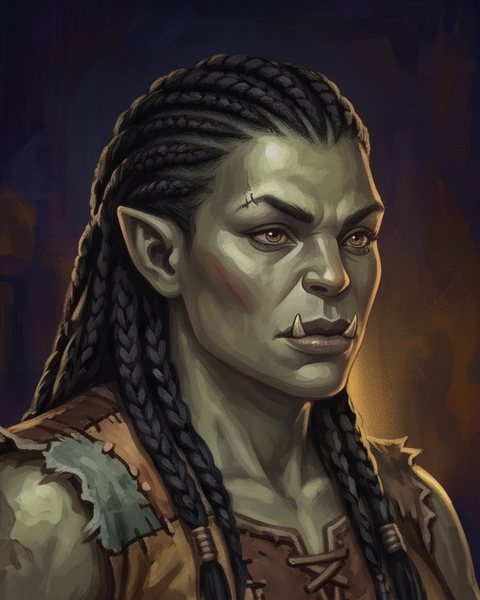 Half-Orc2014 rules onlyChildren of human and orc lineages who join human versatility to orcish might and a fierce will to survive.
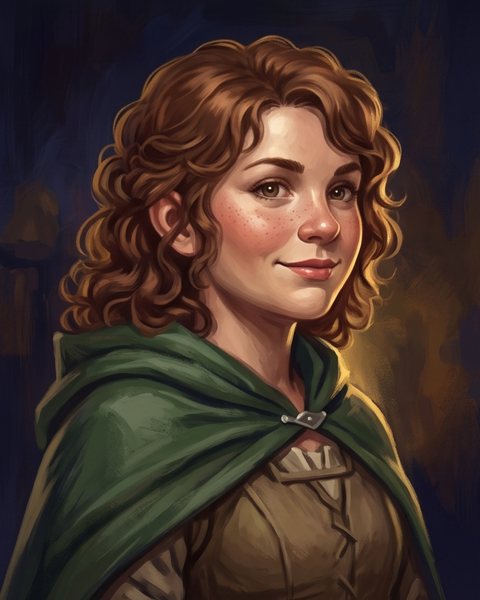 Halfling2024 and 2014 rulesSmall, good-humored wanderers whose uncanny luck and quiet feet carry them safely through danger.
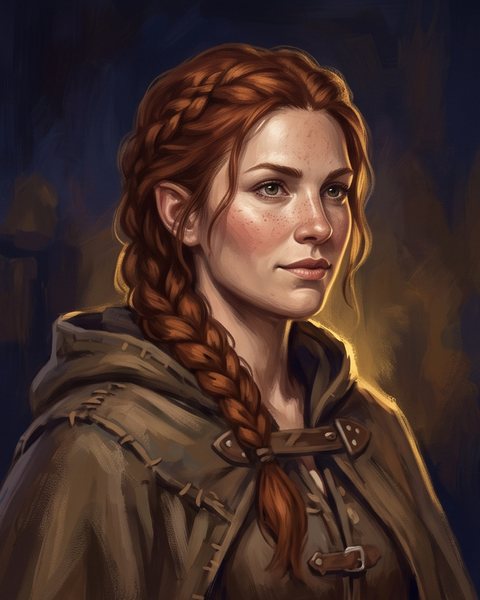 Human2024 and 2014 rulesAdaptable and ambitious, humans thrive everywhere and master whatever they set their minds to.
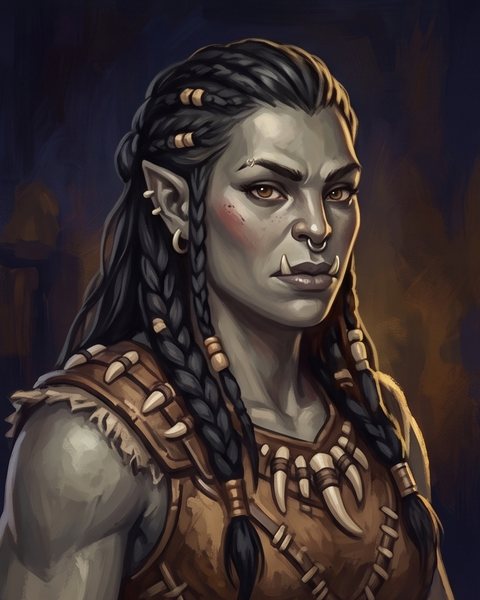 Orc2024 rulesTireless, sturdy folk gifted with relentless drive and the grit to shrug off killing blows.
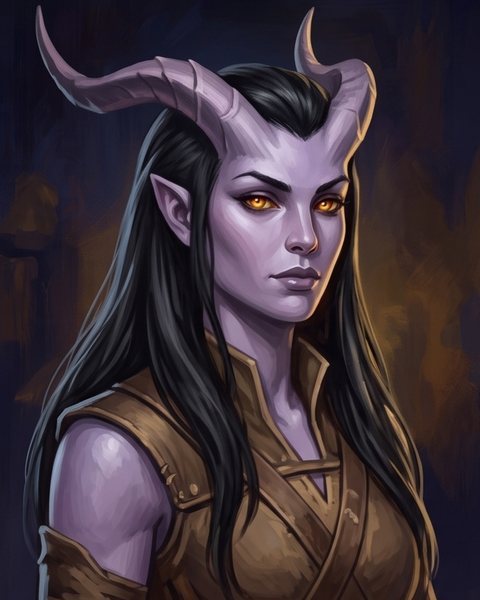 Tiefling2024 and 2014 rulesMortals marked by a fiendish legacy that shows in their features and in the dark magic they wield.
How species work in each edition
2024: every species is a Humanoid, Medium or Small, with a speed of 30 feet or more and a set of traits, some of which grow as you level (the dragonborn’s flight at level 5, the elf’s lineage spells at levels 3 and 5). Your ability score increases come from your background.
2014: each race raises one or more ability scores, often has a subrace that adds more traits and another increase, and lists the languages it speaks. A few races walk at 25 feet. Many tables still play this way, and the Character Forge builds characters with either set of rules.
Other species in the Character Forge
These come from the Player’s Handbooks, Volo’s Guide to Monsters and Spelljammer. They are not in the SRD, so we only name them, but the Character Forge can build any of them.
2024 rules
- Aasimar
- Astral Elf
- Autognome
- Giff
- Hadozee
- Plasmoid
- Thri-kreen
2014 rules
- Aasimar
- Goliath
- Orc
- Astral Elf
- Autognome
- Giff
- Hadozee
- Plasmoid
- Thri-kreen